How thoughtful facility improvements can strengthen recruitment, employee satisfaction, and long-term success.
Organizations invest significant time and resources into recruiting, developing, and retaining talented employees. Competitive salaries, strong benefits, and company culture all play an important role, but one factor is often overlooked: the workplace itself.
The spaces where employees work each day influence more than productivity. They shape first impressions, reinforce company culture, support collaboration, and contribute to overall job satisfaction. For prospective employees, the physical workplace often provides an early indication of how an organization values its people. For current employees, it reflects an ongoing investment in their daily experience.
Whether you’re planning for growth, modernizing an aging facility, or simply evaluating your long-term capital improvements, your building can be a valuable asset in attracting and retaining top talent.
Your Facility Is Part of Your Brand
A facility says a lot about an organization before a single conversation takes place.
Candidates notice the condition of a lobby while waiting for an interview. Employees spend time in breakrooms, conference rooms, collaboration spaces, and offices every day. Clients form opinions the moment they walk through the front door.
An inviting, well-maintained, and functional workplace conveys professionalism, pride, and a commitment to providing employees with an environment in which they can do their best work.
While appearance matters, functionality matters just as much. A thoughtfully designed workplace supports how people work today while remaining adaptable to tomorrow’s needs.
Workplace Improvements That Make a Difference
Facility improvements don’t always require major additions or complete building renovations. Many projects can significantly enhance the employee experience while supporting operational goals.
Employee-Focused Spaces
Breakrooms, wellness rooms, training areas, locker rooms, and outdoor gathering spaces all contribute to the daily employee experience. These areas provide opportunities for employees to recharge, connect with coworkers, and feel supported throughout the workday.
Collaboration and Flexibility
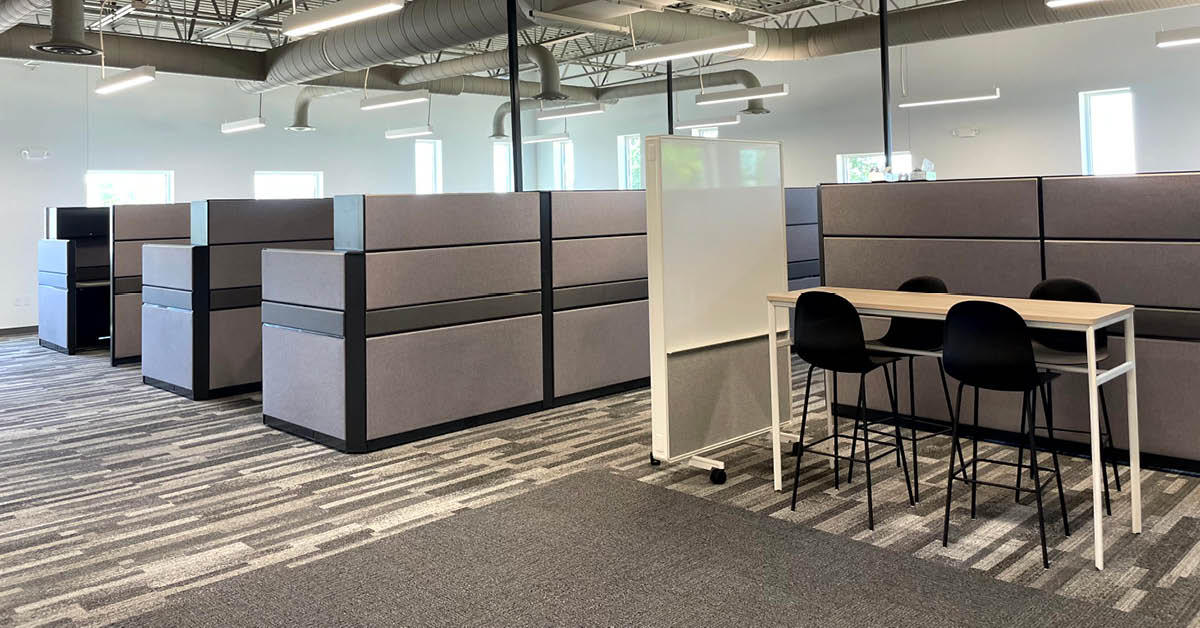
As organizations continue to evolve, many workplaces are adapting to support collaboration, focused work, and flexible team interactions. Updated conference rooms, informal meeting spaces, training rooms, and reconfigured office layouts can help employees work more efficiently while encouraging communication across departments.
Comfort Matters
Comfort is one of the most noticeable aspects of any workplace, even when employees don’t actively think about it. Consistent temperatures, quality lighting, improved indoor air quality, and reduced noise levels all contribute to a healthier, more productive environment.
Behind many of these improvements are investments in mechanical, electrical, and building systems that quietly support the daily experience of everyone in the facility.
Supporting Growth Behind the Scenes
As organizations grow, facilities often need to support new equipment, evolving technology, increased staffing, and changing operational requirements. Infrastructure upgrades, electrical improvements, mechanical system enhancements, and technology integration help ensure facilities remain reliable and adaptable for years to come.
Five Questions to Ask About Your Facility
If you’re evaluating future capital improvements, these questions can help identify opportunities that may deserve attention.
- Does our workplace reflect the culture and values we want to present to employees and candidates?
- Are our employee spaces supporting productivity, collaboration, and comfort?
- Have our building systems kept pace with the needs of our organization?
- Are there areas of our facility that employees consistently avoid or complain about?
- Are we planning improvements proactively, or waiting until they become urgent?
Answering these questions can help uncover projects that improve both the employee experience and the long-term performance of your facility.
Looking Beyond Today’s Needs
The most successful facility improvements are rarely reactive. Instead, they are part of a long-term strategy that aligns facilities with organizational goals, workforce expectations, and future growth.
Whether that means modernizing employee spaces, improving building infrastructure, renovating a headquarters, or developing a phased master plan, thoughtful planning allows organizations to prioritize investments, reduce disruptions, and make the most of available resources.
A facility should do more than support daily operations. It should help create an environment where employees want to work, candidates are excited to join, and organizations are positioned for continued success.